


Schneider IP26-1000 Foxboro I/P signal converter: technical buying checklist
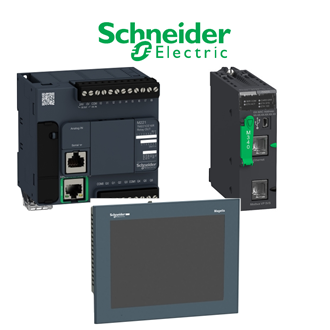
IP26-1000 is the exact search and purchasing reference used on this page for the Foxboro I/P signal converter. The shared main-image collage represents the product category; it is not an exact photograph of IP26-1000. Identify the physical IP26-1000 item and its environment before committing to a supply order.
Verified technical starting points
| Technical item | Verified value / selection note |
|---|---|
| Enquiry designation | IP26-1000 |
| Identified role | Foxboro I/P signal converter |
| Input | 4–20 mA |
| Pneumatic output | 3–15 psi / 0.2–1 bar in product listing |
| Configuration boundary | Confirm full label, revision and site compatibility |
The technical table for IP26-1000 lists only points supported by the cited manufacturer or legacy product material. Any unstated suffix, revision, connector, electrical limit or approval for IP26-1000 remains an open verification item. Do not infer interchangeability from a similar-looking code.
A four-step buyer checklist
- Confirm the complete code and revision on the installed unit.
- List every required interface, accessory and approval.
- Compare the offered unit or proposed substitute in writing.
- Define receipt inspection and functional acceptance.
Start the IP26-1000 enquiry with a clear photograph of the nameplate and the original drawing. Include site location, quantity, condition required and delivery constraints. The supplier should quote the complete IP26-1000 reference and explicitly call out any difference from the installed unit.
System fit and application
The relevant neighbours of IP26-1000 may include a breaker frame, contactor, cable harness, communication rack, motor, HMI, battery system or software license. For IP26-1000, compare the actual interface in the application, not a generic family description. Check the documented voltage, current, mounting and software requirements only where they apply to this Foxboro I/P signal converter.
If a later-generation unit is offered in place of IP26-1000, require a manufacturer-supported cross-reference or a site engineering comparison. A recommended successor may still need new terminals, commissioning steps or revised approvals. Retain IP26-1000 in the audit trail even if the approved order uses another code.
Confirm identity, application fit, condition, supplier evidence and receiving plan before order release.
Inspection and handover
When IP26-1000 arrives, compare the label to the approved purchase record and inspect packaging and fitted accessories. A qualified technician should follow site isolation rules, verify the mechanical and electrical interfaces, and record the appropriate protection, signal, communication or operating test for IP26-1000.
File the IP26-1000 test result, serial or license information and any deviation approval with the equipment record. For a legacy IP26-1000 unit, separately confirm support status and whether the offered stock is new, used or refurbished. Warranty and acceptance conditions should reflect that distinction.
Visually related model strings
These remaining codes share a visible IP26- pattern with IP26-1000. They are grouped only for search coverage; their manufacturer, function, ratings and compatibility are not automatically the same. Each complete code must be checked independently.
Decision record
Close the IP26-1000 enquiry only after the offer, technical comparison and receiving evidence agree. Preserve the exact IP26-1000 string in the final procurement file and make each accepted substitution explicit.
